
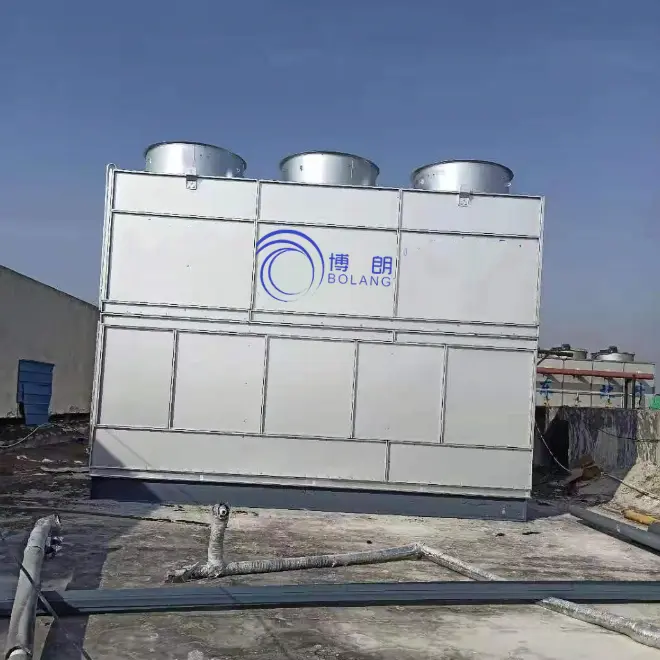
In an era where sustainable practices are becoming increasingly vital, the fishing and aquatic preservation industry is experiencing significant transformations driven by innovative freezing technologies. These advancements not only enhance the efficiency of preserving aquatic products but also support environmental conservation efforts, ensuring the long-term health of marine ecosystems.
One of the key factors shaping this progress is the deployment of cutting-edge freezing and refrigeration systems tailored specifically for the needs of the fishing industry. For over a decade, leading domestic manufacturers have been at the forefront of supplying reliable cold chain equipment that safeguards the quality and freshness of aquatic products from catch to consumer.
A notable example within this sector is a company with over 12 years of expertise in the design and manufacture of freezing systems. This enterprise has earned recognition as a prominent player in the domestic cold chain equipment market, thanks to its comprehensive advantages including advanced research and development capabilities and a talented team dedicated to innovation.
### Enhancing Aquatic Preservation Through Advanced Freezing Technologies
Preserving the freshness of aquatic products is critical not only for commercial success but also for minimizing food waste and maintaining nutritional value. Freezing technology plays a pivotal role in this regard by arresting the biological processes that cause spoilage. The latest generation of freezing equipment offers rapid chilling and uniform temperature control, which helps retain the texture, flavor, and nutrient content of fish and other seafood.
The company’s freezing systems have been engineered to meet the rigorous demands of the fishing industry, where delays in processing can compromise product quality. By implementing these advanced solutions, fishing enterprises can now extend the shelf life of their harvests without relying on preservatives or artificial additives.
### Supporting Sustainable Fishing Practices
Sustainability remains a top priority in the aquatic industry as overfishing and environmental degradation threaten global fish stocks. Improved freezing and refrigeration infrastructure enables fishers to better manage their supply chain, reducing over-catch and waste. With more reliable cold storage options, fishing operations can maintain smaller, more frequent catches, aligning with sustainable harvesting methods.
Furthermore, the efficiency of modern freezing systems reduces energy consumption and greenhouse gas emissions compared to traditional preservation methods. The integration of eco-friendly refrigerants and optimized system design contributes to lowering the carbon footprint of the entire cold chain.
### Driving Economic Benefits for Fishing Communities
Beyond environmental advantages, the adoption of state-of-the-art freezing technology brings substantial economic benefits. Enhanced preservation allows access to broader markets, including export opportunities, where high-quality aquatic products command premium prices. This demand incentivizes sustainable fishing, providing local communities with improved livelihoods.
The company’s commitment to quality and innovation is evident in its comprehensive approach to equipment design and manufacturing. With a strong R&D team, it continuously develops solutions that address emerging challenges in aquatic preservation, such as adapting to diverse fish species and varying storage conditions.
### A Collaborative Effort for Industry Advancement
Progress in the fishing and aquatic preservation sector is a collaborative effort involving manufacturers, fishers, regulatory bodies, and environmental organizations. By working together, these stakeholders promote best practices and ensure that technological advancements translate into real-world improvements.
The manufacturer’s role extends beyond providing equipment. It actively engages with partners to understand industry needs and tailor solutions accordingly. Training programs and after-sales services further enhance the adoption and optimal use of freezing systems, fostering a culture of continuous improvement.
### Future Outlook
Looking ahead, the integration of digital technologies such as IoT monitoring and AI-driven analytics with freezing equipment promises to revolutionize cold chain management. These innovations will enable real-time tracking of product conditions, predictive maintenance, and energy optimization.
This ongoing evolution underscores the importance of robust R&D and a skilled workforce capable of pioneering new technologies. The company’s investment in talent and innovation positions it well to lead the domestic market and contribute to the sustainable growth of the fishing and aquatic preservation industry.
### Conclusion
The synergy between advanced freezing systems and sustainable fishing practices is creating a new paradigm in aquatic preservation. Through technological excellence and a deep understanding of industry demands, manufacturers are empowering fishing operations to deliver fresher, safer, and more environmentally responsible seafood products.
As consumer awareness grows and regulatory frameworks tighten, the importance of reliable cold chain equipment cannot be overstated. The achievements of domestic industry leaders demonstrate that with commitment and innovation, it is possible to achieve both business success and ecological stewardship in the fishing sector.
By continuing to drive advancements in freezing technology, the future of aquatic preservation promises to be more sustainable, efficient, and economically viable – benefiting the industry, consumers, and the oceans alike.